
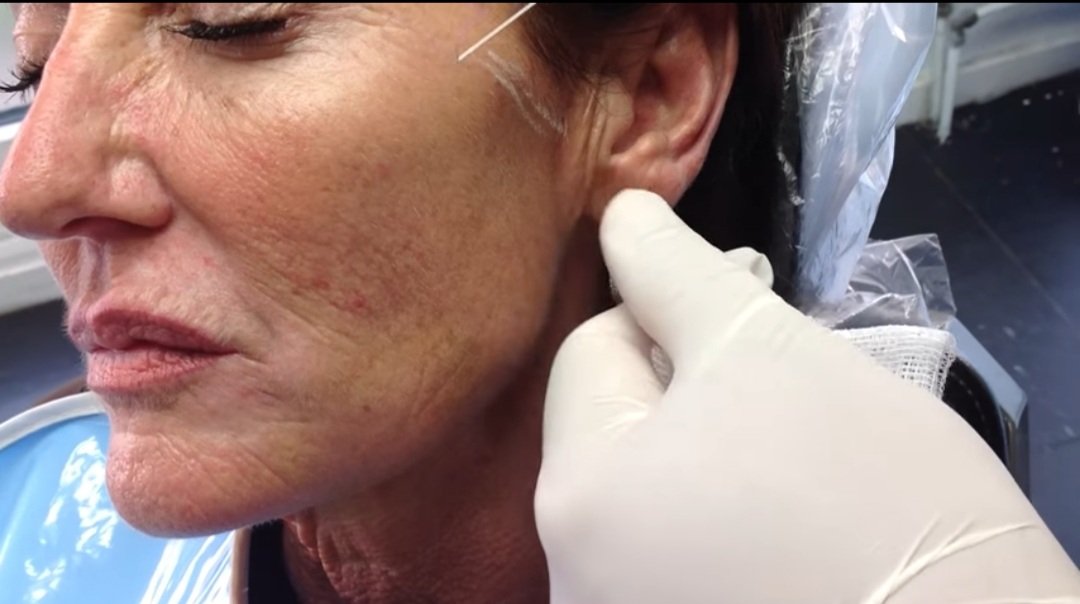
Thread lift Training – Please contact for price and dates.
History
History of threads to understand how they evolved
Understand the different types of materials used and how technological developments improved them.
Thread science
Learn the chemistry, manufacture and properties of various threads. Absorbable and non-absorbable threads
Understand the benefits and disadvantages of the threads available today
Clinical applications
Learn the indications of thread lift types and what the clinical outcome will be. Define goals
Understand the principles behind treatment planning patients. Anaesthesia
Learn how thread vectors work
Threads and the immune system. Bio-stimulation
Threads affect the immune system depending on chemical make-up. Understand the differing responses. Collagen formation.
Learn to manage the immune-compromised patient
Interaction of thread therapy and drug therapy
Anatomy
Learn clinical anatomy in relation to face, neck, and body thread therapy. SMAS
Understand the anatomical dangers and how to avoid them
Understand aberrant anatomy
Learn clinical examination of the patient in relation to the anatomy of mimetic muscles
Learn anatomy in detail of the main thread entry points
Understand the reasons for thread insertion techniques in relation to anatomy
Understand male and female anatomy variation and their relevance to threads
Mini-lift
Understand the concepts of mini-lift and major lift
Relevance of SMAS
Vector determination and understanding guiding principles
Protocols in clinical practice
Forehead, mid-face and lower face
Submental thread lift. Understand principles behind protocols
Neck lift. Understand design and reasons involved in design creation
Antibiotics. Understand therapeutic reasons and risks
Consent
Informed consent. legal implications
Cooling off period
Mental state of patient
Therapeutic alternatives
Risks and complications
Other relevant information
Initial and final consent
Learn how to take contemporaneous notes
Assess medical history
Risks of treatment
Understand the anatomy of risk zones
Learn Glaugau Clasification of facial wrinkles and its clinical application
Arterial and venous supply in relation to risk assessment.Mansons point
Avoiding trauma to the parotid gland